[42] Gems
[14] Controllers
[36] Special Coins
.. and more
-

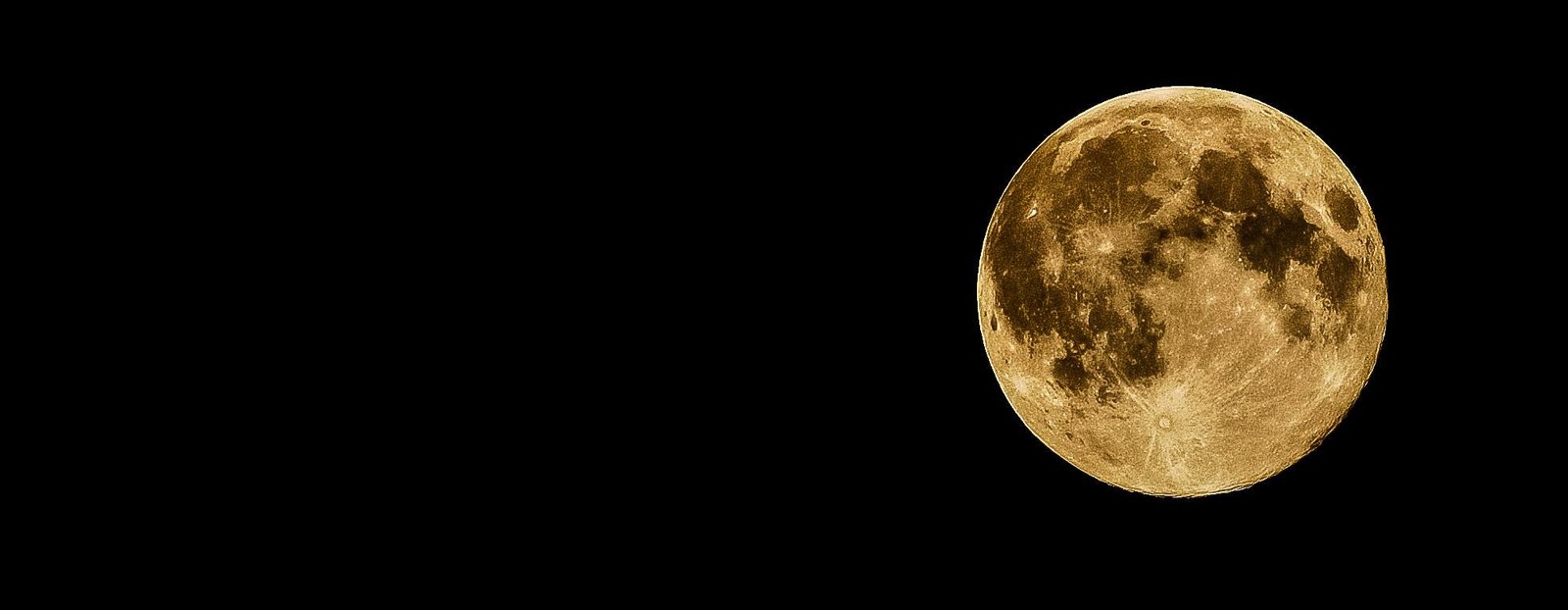
8. Mercury: The Swift and the Silent
A Planet of Extremes. Mercury has no real atmosphere, so daytime temperatures reach 430°C, while nights drop to -180°C—wilder swings than any other planet. Ice in the Shadows. Surprisingly, radar data reveals frozen water hiding in permanently shadowed craters at its poles, protected from sunlight by tall crater walls. Ice on a planet so close

-
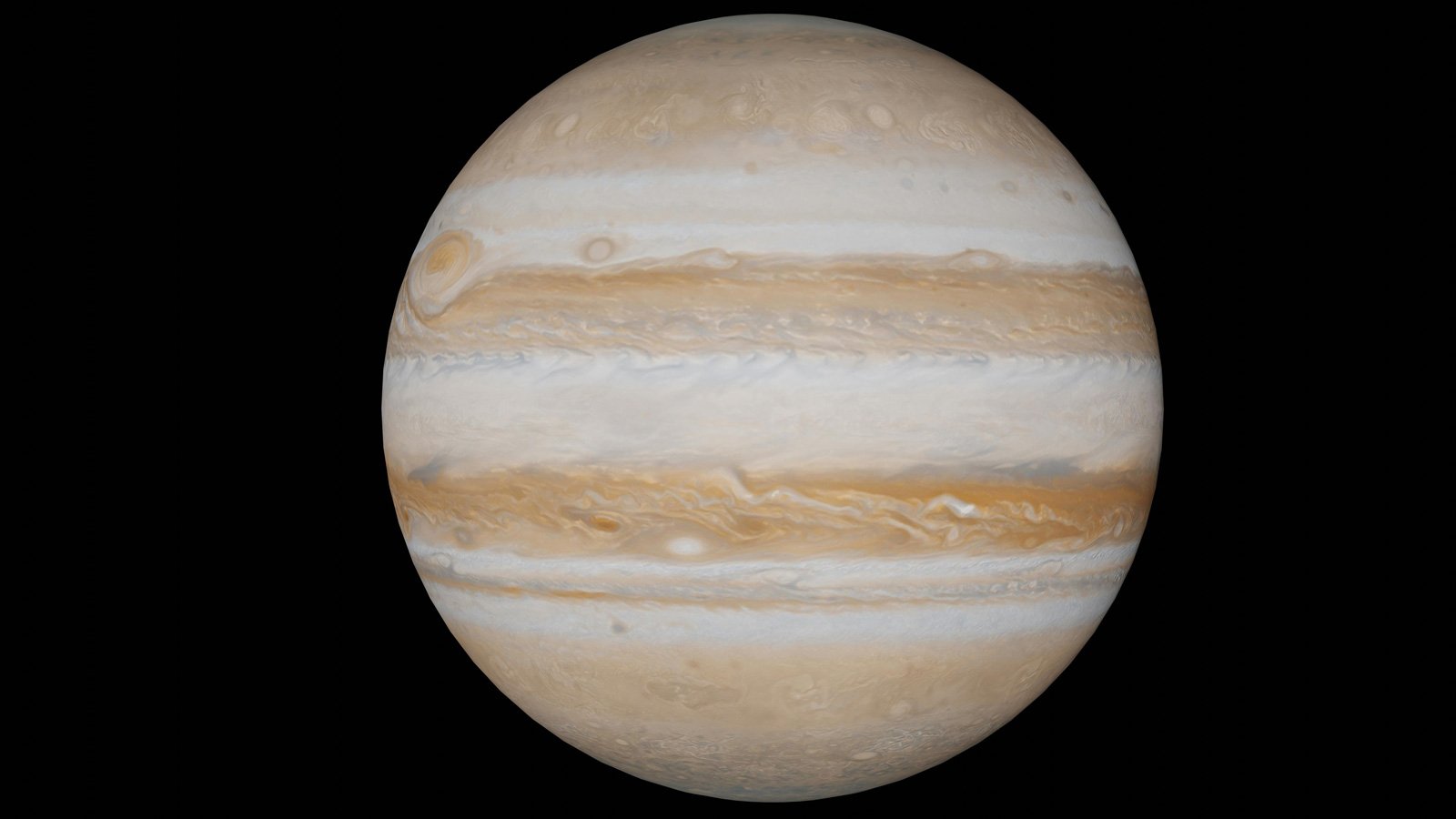
7. Jupiter’s Hidden Wonders
The Invisible Rings. Beyond the famous red bands, Jupiter hides faint dusty rings, created by meteoroids striking its small moons. They glow faintly in reflected sunlight, invisible to the naked eye. Metallic Skies. At its center, hydrogen becomes metallic from immense pressure—creating a planetary ocean of liquid metal, possibly driving Jupiter’s magnetic field, the strongest
-
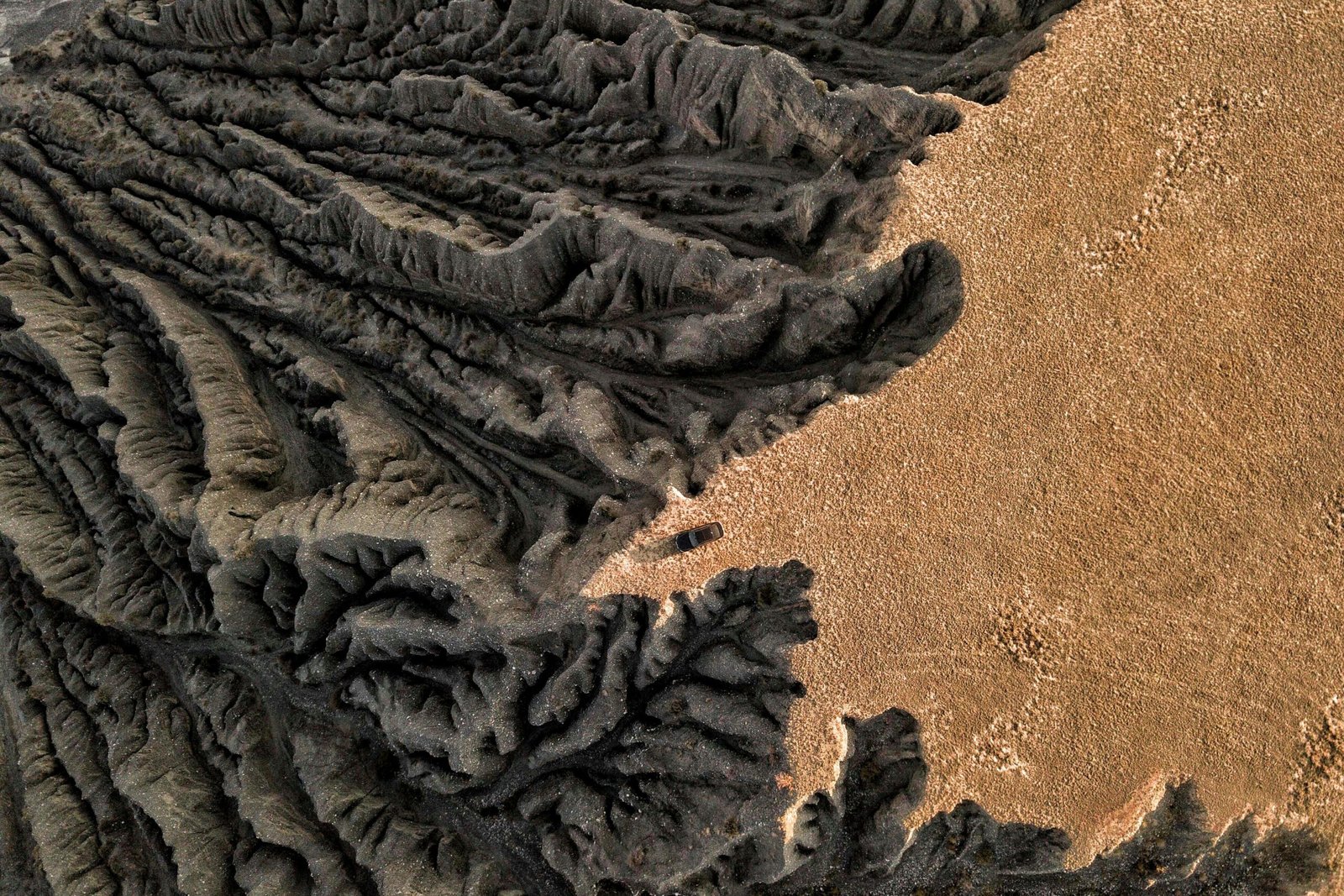
6. Secrets of Mars
The Sleeping Volcanoes. Olympus Mons, the largest volcano in the Solar System, rises nearly 22 kilometers high. Though dormant, new research shows traces of underground magma flows—hinting Mars might not be entirely geologically dead. Echoes of Ancient Rivers. Once, Mars had huge rivers and lakes fed by a thicker atmosphere. Dried valleys and mineral deposits
-
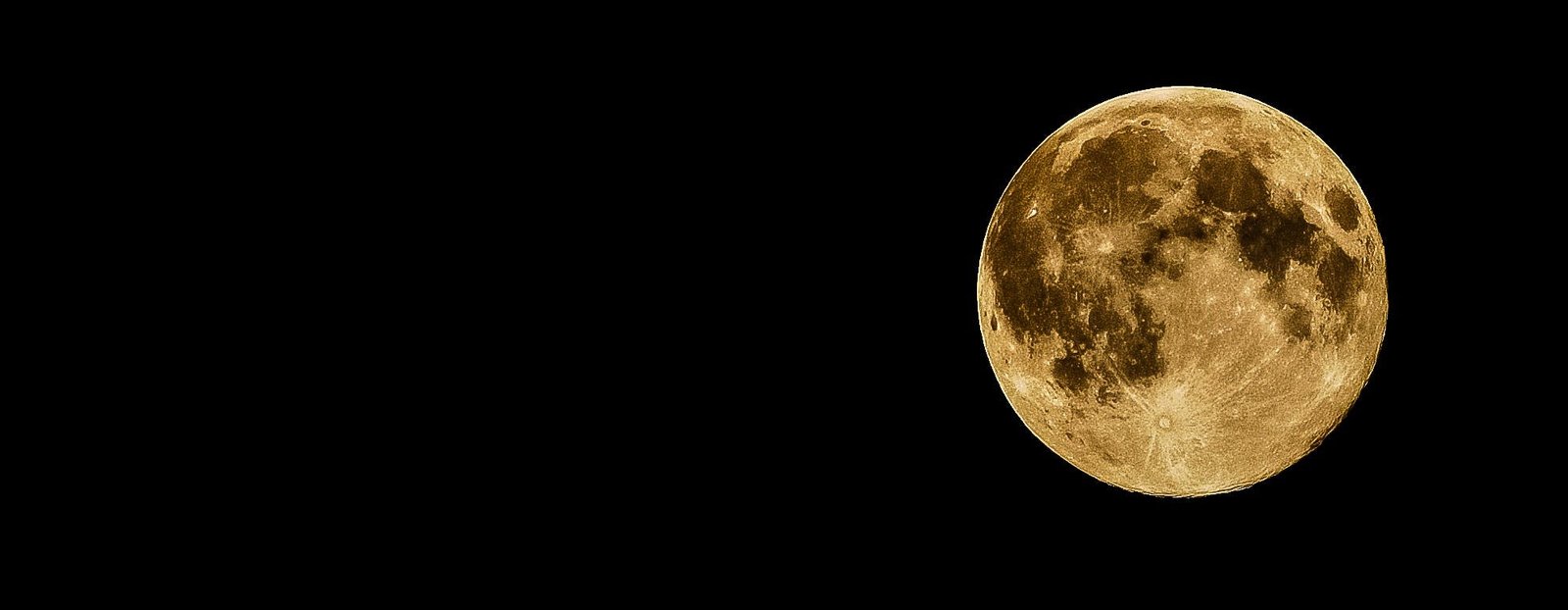
5. Mercury: The Swift and the Silent
A Planet of Extremes. Mercury has no real atmosphere, so daytime temperatures reach 430°C, while nights drop to -180°C—wilder swings than any other planet. Ice in the Shadows. Surprisingly, radar data reveals frozen water hiding in permanently shadowed craters at its poles, protected from sunlight by tall crater walls. Ice on a planet so close